

Blog
International Silk Trade Pattern Presents a New Trend of Diversified Development

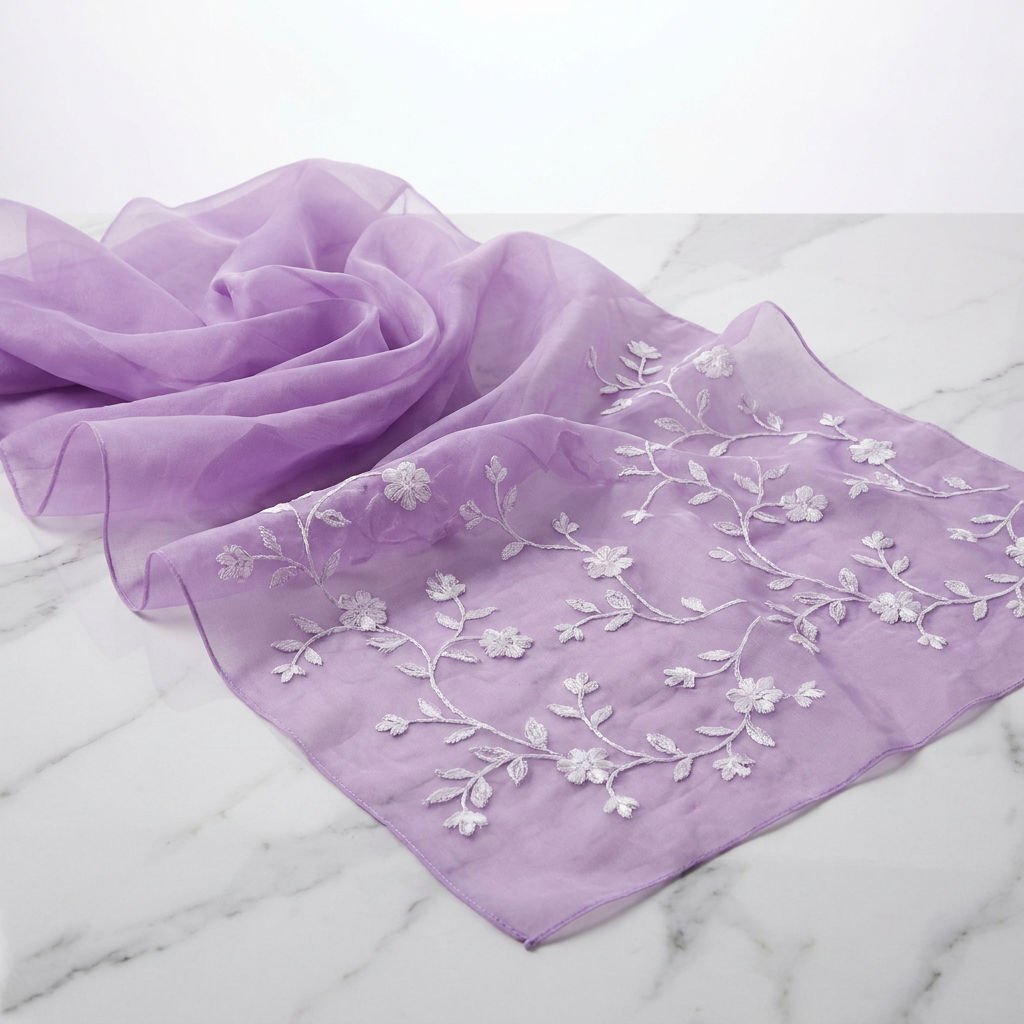
The pattern of international silk trade is constantly adjusting and evolving, showing a clear trend of diversified development. With the changes in the global economic landscape and the adjustment of regional trade policies, the traditional trade layout of the silk industry has been broken, and new trade channels and market subjects are constantly emerging. The trade cooperation between different regions has become more frequent, and the scope of silk product circulation has been further expanded. Emerging markets have gradually become important growth points in the international silk trade, attracting the attention of global silk production and trading enterprises. At the same time, the forms of international trade are more diversified, and cross-border cooperation models such as joint procurement, customized production, and long-term supply agreements are widely used, enhancing the stability and flexibility of trade relations. Enterprises are actively expanding diversified market channels, reducing their dependence on a single market, and improving their ability to resist market risks. The diversification of trade patterns has also promoted the exchange and integration of different regional silk cultures and craftsmanship, enriching the diversity of silk products. In addition, the optimization of international logistics systems and the improvement of cross-border payment convenience have provided strong support for the diversified development of silk trade. The industry is adapting to the new trade pattern by adjusting production strategies, optimizing product structure, and strengthening international cooperation. This diversified development trend has injected new vitality into the international silk trade, promoted the balanced development of the global silk market, and provided more opportunities for enterprises to expand their international business.